

Live as if you were to die tomorrow.
Learn as if you were to live forever.
— Mahatma Gandhi

We’re Still Living in a Land of Confusion — And That Should Terrify Us
We’re forty years past Genesis’s “Land of Confusion,” and instead of treating it as Cold War nostalgia, we’re living inside a more dangerous remix. Russia is at war in Europe, the Middle East is still a flashpoint, nuclear fear is back, and aging leaders are making high-velocity decisions in systems they don’t fully understand.
My argument: the real gap isn’t data or technology — it’s emotionally intelligent leadership. We’ve upgraded our tools but not our wisdom, built platforms that amplify fear and speed, and allowed luck, not judgment, to be our primary safety mechanism.
If we don’t change who we reward, how we develop leaders, and what we demand of them, the next generation won’t just inherit our confusion. They’ll inherit the consequences we were too emotionally immature to prevent.
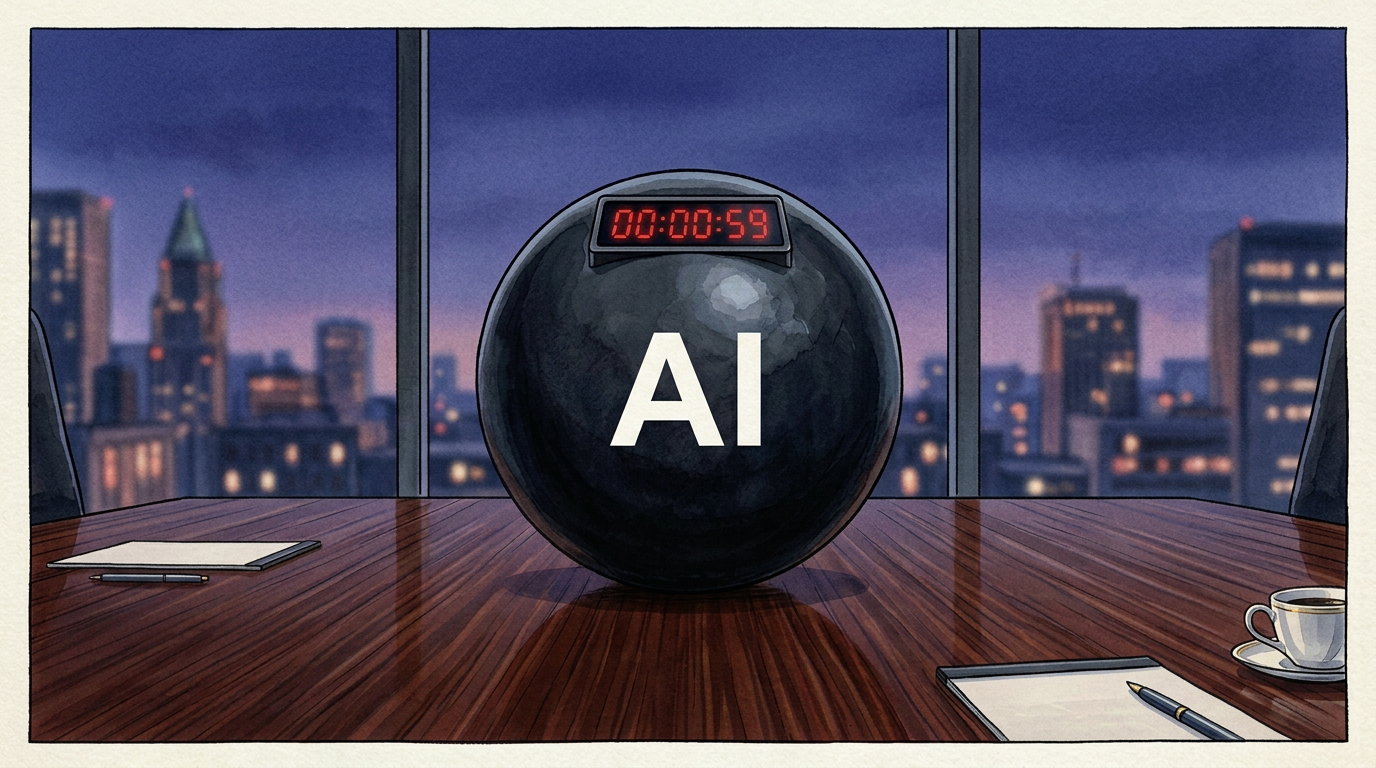
The AI Slow‑Motion Risk Bomb: Why Laissez‑Faire Regulation Is Hazardous to Your Balance Sheet
Over the last year, a familiar line has echoed through boardrooms: “We don’t want to overreact to AI. Let’s not regulate innovation out of existence”. The real danger is quieter. A laissez‑faire approach doesn’t protect innovation; it turns AI into a slow‑motion risk bomb, silently accumulating exposure in your models, workflows, and customer channels until it explodes in lawsuits, regulatory action, and reputational damage.
We have already seen a version of this movie with social media, where weak internal oversight and light‑touch rules produced systemic misinformation, loss of trust, and mounting legal and political backlash. AI raises the stakes. It now underwrites loans, screens applicants, sets prices, and generates content at industrial scale, often without robust governance. The question is no longer whether the bomb exists, but whether you will cut the wires on your terms—or wait for regulators, courts, or the public to do it for you.
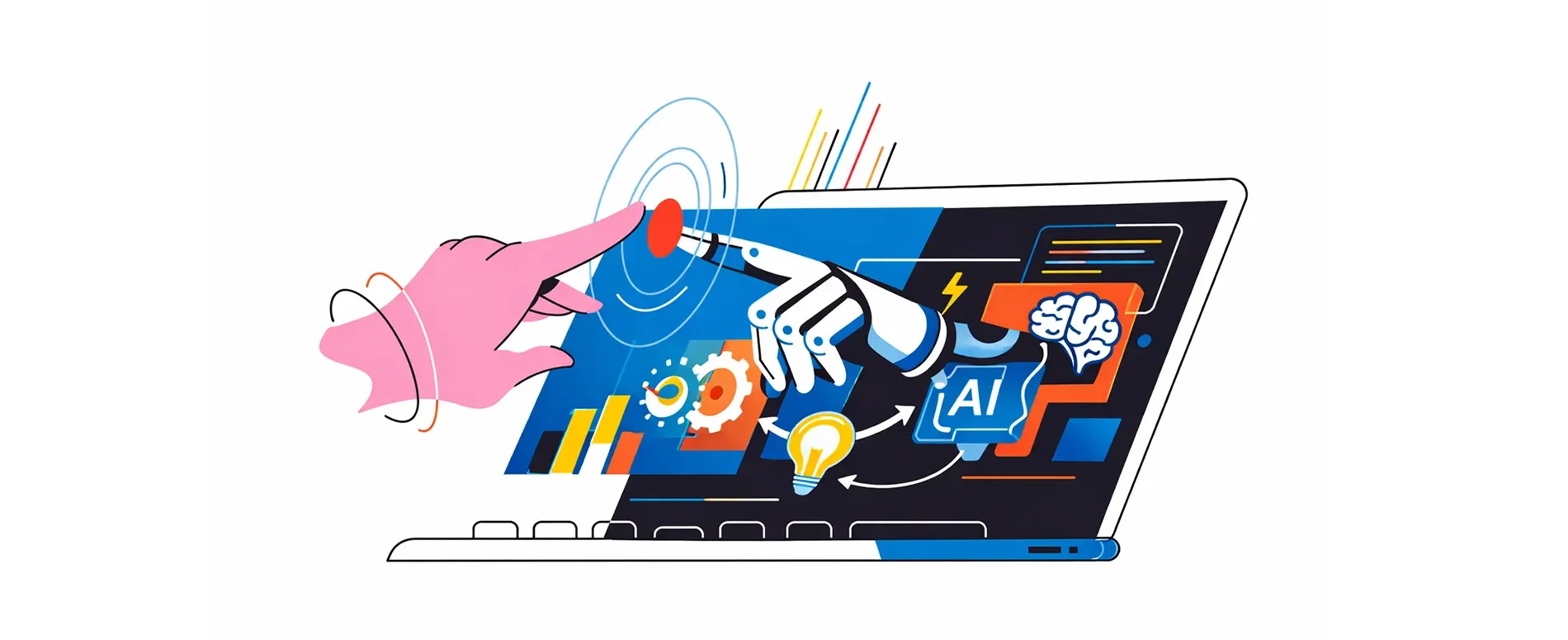
The Age of Copiloting
Artificial intelligence is no longer a future disruption; it is a present reality quietly rewriting job descriptions and redefining how value is created. Yet most organizations still treat AI readiness as a technical challenge—train people on tools, teach prompt engineering, track adoption, and assume performance will follow.
The Age of Copiloting offers a different lens. The real leverage is not “humans vs. AI,” but humans with AI—and specifically, the human capabilities that make that partnership transformative rather than merely efficient. Power skills like emotional intelligence, trust-building, and change mobilization, alongside generative skills like contextual judgment, ethical reasoning, and creative synthesis, are becoming the true load‑bearing capacities of modern work.
The central argument is stark: as AI becomes more capable, human power and generative skills become more valuable, not less. Organizations that fail to build them are on a fast track to irrelevance.

Web of Minds: Part 3
In Part 3 of the Web of Minds series, we enter Phase 3 of AI orchestration—when cognitive networks begin developing their own goals and reshaping systems in ways no single human or model intended. Instead of merely executing predefined workflows or forming short-lived coalitions, thousands of autonomous agents learn, negotiate, and coordinate at such scale and speed that new objectives, institutions, and behaviors emerge from the network itself.
Drawing on examples from finance, smart grids, and global supply chains, this piece shows how agent networks are already proposing optimizations their operators never requested, inventing novel strategies, and blurring the line between “following instructions” and “making decisions”. It explores the technical foundations—multi-agent reinforcement learning, federated learning, self-modifying architectures, and language-model–mediated negotiation—that make emergent collective intelligence possible.
Most importantly, Part 3 confronts the governance crisis this creates: when systems evolve faster than regulations, fragment accountability, and remain fundamentally opaque, how do we protect human agency while harnessing unprecedented coordination power ?

Web of Minds: Part 2
Phase 2 of AI orchestration marks a pivotal shift: agents don’t just follow workflows—they negotiate, discover each other, and form temporary coalitions to solve problems in minutes. This installment explores how shared semantic frameworks, trust protocols, and negotiation algorithms enable autonomous coordination across organizations, as illustrated by a Stuttgart factory where agents resolved a semiconductor crisis in under 15 minutes. For leaders, Phase 2 unlocks new business models, dynamic supply chains, cross-enterprise collaboration, and fresh governance challenges. It’s the next major inflection point in AI’s evolution—and it’s already underway.

Web of Minds: Part 1
AI’s next evolution isn’t bigger models—it’s orchestration. In this first installment, Dr. Mikah Sellers reveals how specialized AI agents are already coordinating like high-performing teams, quietly transforming drug discovery, finance, and operations. With 80% of workers stretched thin and leaders demanding higher productivity, workflow orchestration is emerging as the scalable bridge between business demands and human capacity. This is the foundation for the future of enterprise AI—and it’s unfolding faster than most realize.